Arabian Script: An Elegant Typeface for Distinctive Design
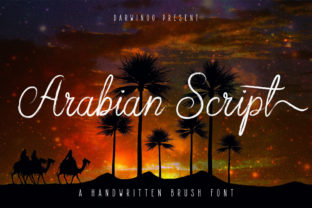
Finding a typeface that balances elegance with a tangible sense of character can feel like searching for a needle in a haystack. Many script fonts lean too far into formality or too close to casual handwriting. Arabian Script occupies a compelling middle ground. It’s an elegant script typeface defined by its semi-bold weight and a distinct, textured shape. This isn't a thin, delicate calligraphy meant for whispers; it’s a confident, stylish voice designed to make a statement without shouting.
The personality of Arabian Script is one of sophisticated warmth. The textured edges give it a handcrafted quality, suggesting something made with care rather than generated by a machine. This subtle imperfection is key to its appeal. It feels authentic and approachable, yet the semi-bold structure ensures it has presence and authority. The letterforms flow with a natural, connected rhythm, creating a sense of movement that guides the eye. This combination makes it a versatile premium font for projects that need to feel both personal and polished.
Where Arabian Script Truly Shines
Understanding a font’s strengths is about knowing where its personality best serves a project’s goals. Arabian Script excels as a display font, perfect for headlines, titles, and short bursts of impactful text where its character can be fully appreciated.
- Branding and Logo Design: For brands targeting a sophisticated, artisanal, or lifestyle-oriented audience, Arabian Script can form the core of a memorable brand identity. Think boutique hotels, custom jewelry designers, artisan bakeries, or high-end cosmetic lines. In a logo design, it conveys craftsmanship and elegance. Paired with a clean sans serif font for body text, it creates a beautiful and readable visual hierarchy.
- Packaging and Product Design: On a physical product, the font’s textured shape adds a tactile quality. It’s ideal for labels on wine bottles, gourmet food packaging, artisanal coffee bags, or cosmetic containers. It tells the customer that care has been put into the product before they even open it.
- Editorial and Print Design: Editorial design often relies on strong typographic contrast. Use Arabian Script for chapter titles in a book, pull quotes in a magazine, or the header of a restaurant menu. It pairs beautifully with a classic serif font for long-form text, creating a layout that feels both contemporary and timeless.
- Event Stationery: This is where the font’s name feels most at home. For wedding invitations, vow books, event programs, and place cards, Arabian Script delivers an immediate sense of occasion and romance. Its readability at medium sizes makes it practical for essential details on an invitation suite.
- Digital and Social Media: In the digital space, Arabian Script can elevate a website’s hero section, a podcast cover art, or a social media graphic. For web design, use it for large headings to create a strong first impression, but avoid it for body copy where screen resolution and small sizes can compromise its textured details. It’s a fantastic creative font for Instagram story titles, Pinterest pins, and YouTube thumbnails to grab attention in a crowded feed.
Practical Guidance for Using This Script Typeface
Adopting a new typeface into your workflow requires more than just liking how it looks. Here’s how to evaluate and implement Arabian Script effectively.
Evaluating Project Fit and Readability
First, consider your audience. Arabian Script resonates with adults who appreciate design and craftsmanship. It might not be the right choice for a children’s toy brand or a technical manual, but it’s perfect for lifestyle, fashion, food, and luxury markets. Always test readability. While it’s a semi-bold weight, the connected script style means you should avoid using it for long paragraphs or very small body text. Its strength is in short, impactful phrases where its elegance can be fully seen.
Mastering Font Pairing for Visual Hierarchy
A great design often uses multiple fonts to create order and interest. Arabian Script works best when paired with a simpler, highly legible typeface. For a modern, clean look, combine it with a geometric sans serif font like Montserrat or Lato. For a more traditional, editorial feel, pair it with a sturdy serif font such as Georgia or Playfair Display. The key is contrast: let the script handle the emotional, display role, and let its partner handle the informational, body copy role. This creates a clear visual hierarchy that is both beautiful and functional.
Checking the Details: Styles and Licensing
Before purchasing any commercial font, always check what’s included in the package. Does it come with multiple styles? Arabian Script might include alternate characters, ligatures, or stylistic sets that give you more flexibility. Furthermore, understand the licensing. If you’re a small business owner or entrepreneur planning to use the font on products for sale, you need to ensure the license covers commercial use. Reputable foundries are clear about this, protecting both you and the font designer.
Ultimately, Arabian Script is more than just a collection of letters; it’s a design asset. Its value lies in its ability to inject personality, professionalism, and a distinct mood into your projects. By using it thoughtfully—in the right context, for the right audience, and paired with the right companions—you can leverage this elegant script font to create work that feels genuinely connected and visually compelling. Whether you’re designing a brand mark, a product label, or a social media campaign, it offers a reliable way to add that touch of textured elegance that makes a design feel complete.